

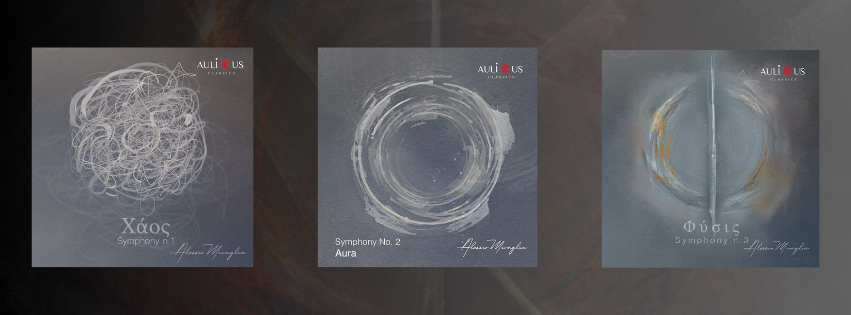
With Physis, the trilogy The Lantern comes to a close, a journey through chaos, reconciliation, and rebirth. What does this final chapter represent to you?
Physis is a return to life, but a different kind of life, a conscious one.
After Chaos and Aura, this third act is not a conclusion: it’s a rebirth, a new beginning.
The Greek word physis means “that which grows from itself,” the vital force that moves all things. In this symphony, I wanted to translate that breath, the moment when the human being stops fighting against themselves and allows their own light to flow through.
It’s the synthesis of a path that seeks not answers, but presence.
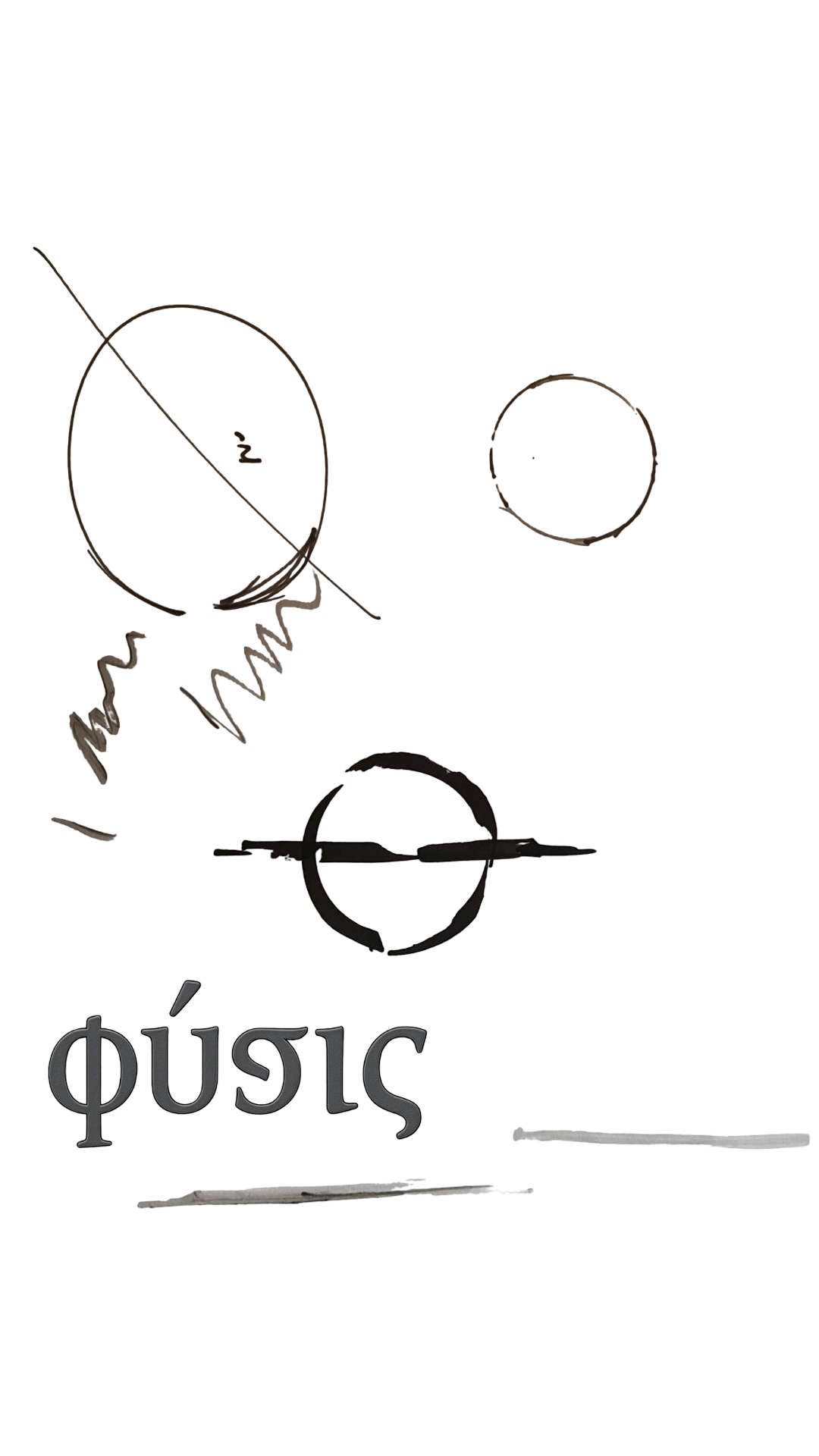
In your writings, you speak of a cycle, birth, fall, rebirth, and you say that The Lantern is not an external object but an inner light. How does that idea manifest in the music of Physis?
Everything begins with silence. Every note in Physis grows from a breath, from a primordial vibration. I tried to build the symphony as if it emerged from within the listener, not from outside.
The lantern, after all, doesn’t illuminate to show; it illuminates to reveal. And to reveal means to accept who we are.
That’s why Physis has no triumphant or consoling tone. It’s a path made of shadows and glimmers, dissolving and returning. Fragility is not denied, it’s exalted. It becomes a strength.
The ethereal voice of Cranìa on tracks 3 and 4, Bahar Mehmani’s santur on track 4, and Francesco D’Agnolo’s piano on track 5, each contribution feels essential. How did this collective sound come together?
It was a natural, almost inevitable fusion.
Cranìa brought an ethereal, suspended voice to tracks 3 and 4, a voice that doesn’t describe but evokes, as if she were singing from within a dream.
Bahar Mehmani, with her santur on track 4, added a spiritual, almost ritual dimension: the vibration of those strings is like a prayer rising from the earth.
Francesco D’Agnolo, on track 5, interpreted an idea I had at the piano and turned it into something alive. From that spark came the orchestral arrangement and the guitar. His touch has a softness that envelops everything around it, as if the music itself were breathing.
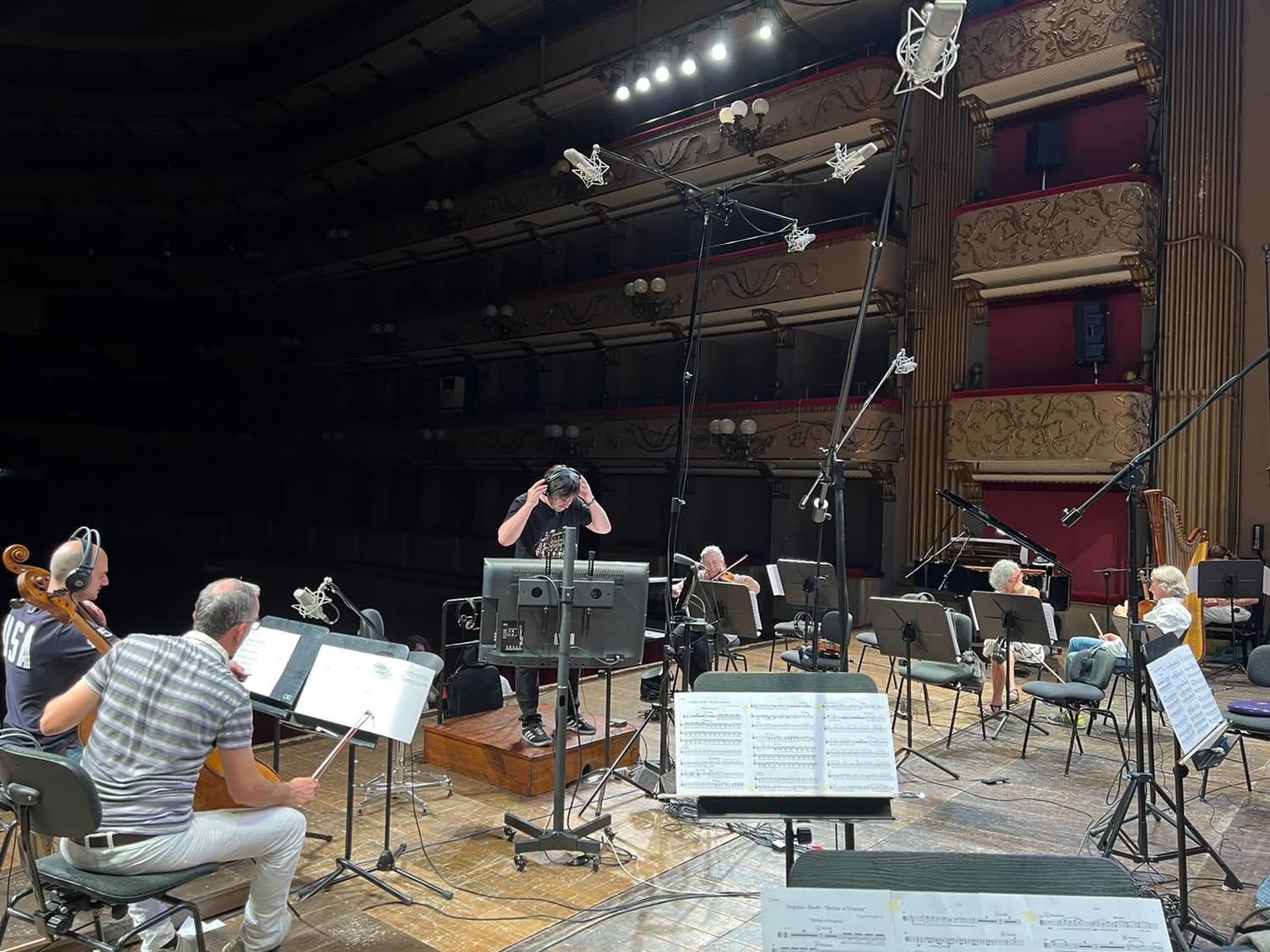
And then there’s Tim Starnes, in many ways, the alchemist of sound. He transforms everything into gold: not in a literal sense, but in the purity of tone, dynamics, and color.
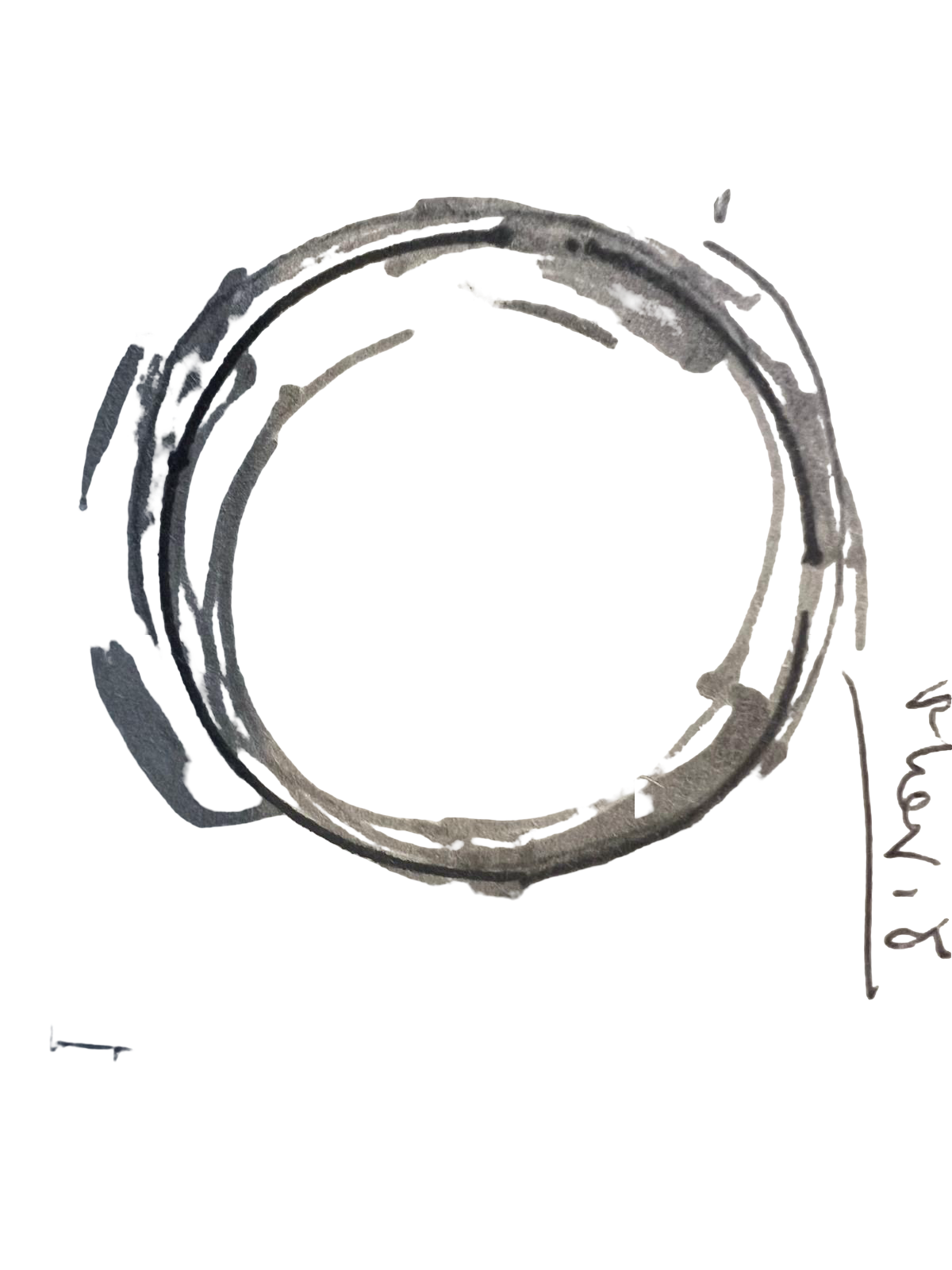
Finally, Nicolò Bravetta’s cover art gave visual form to The Lantern: not as an illustration, but as a vision, a fragment of light containing all the others.
You’ve often described The Lantern as an inner journey. Was there someone who helped ignite this light within you?
Yes, and I couldn’t answer otherwise.
Everything… the trilogy, the search, the music itself, was born thanks to Stefania Cucca.
She has been, and still is, the light that inspired every symphony, every passage, every rebirth.
I’m not speaking merely of artistic inspiration, but of a real, profound presence that changed the way I see life.
Stefania taught me to enter silence, not to flee from darkness, to understand that fragility is not weakness, but truth.
She has been a guide, a soul who opened the door to inner knowledge for me.
Without her, there would have been no Chaos, no Aura, no Physis.
When I speak of “The Lantern,” I’m also speaking of her, of that quiet, steadfast light that doesn’t try to illuminate everything, but simply shows one step at a time, just as life does.
To her, I owe gratitude, respect, love and an affection that goes beyond words.
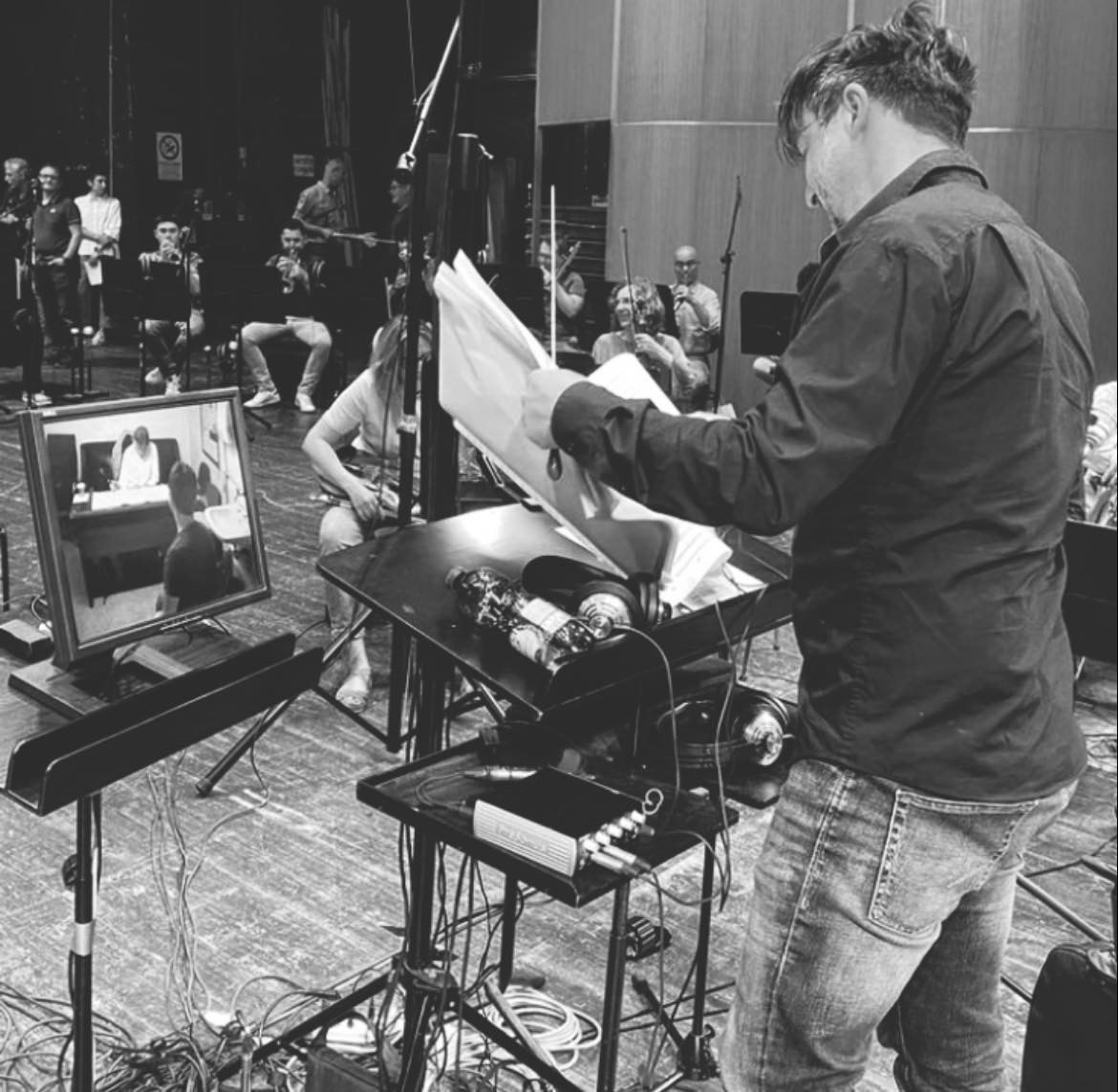
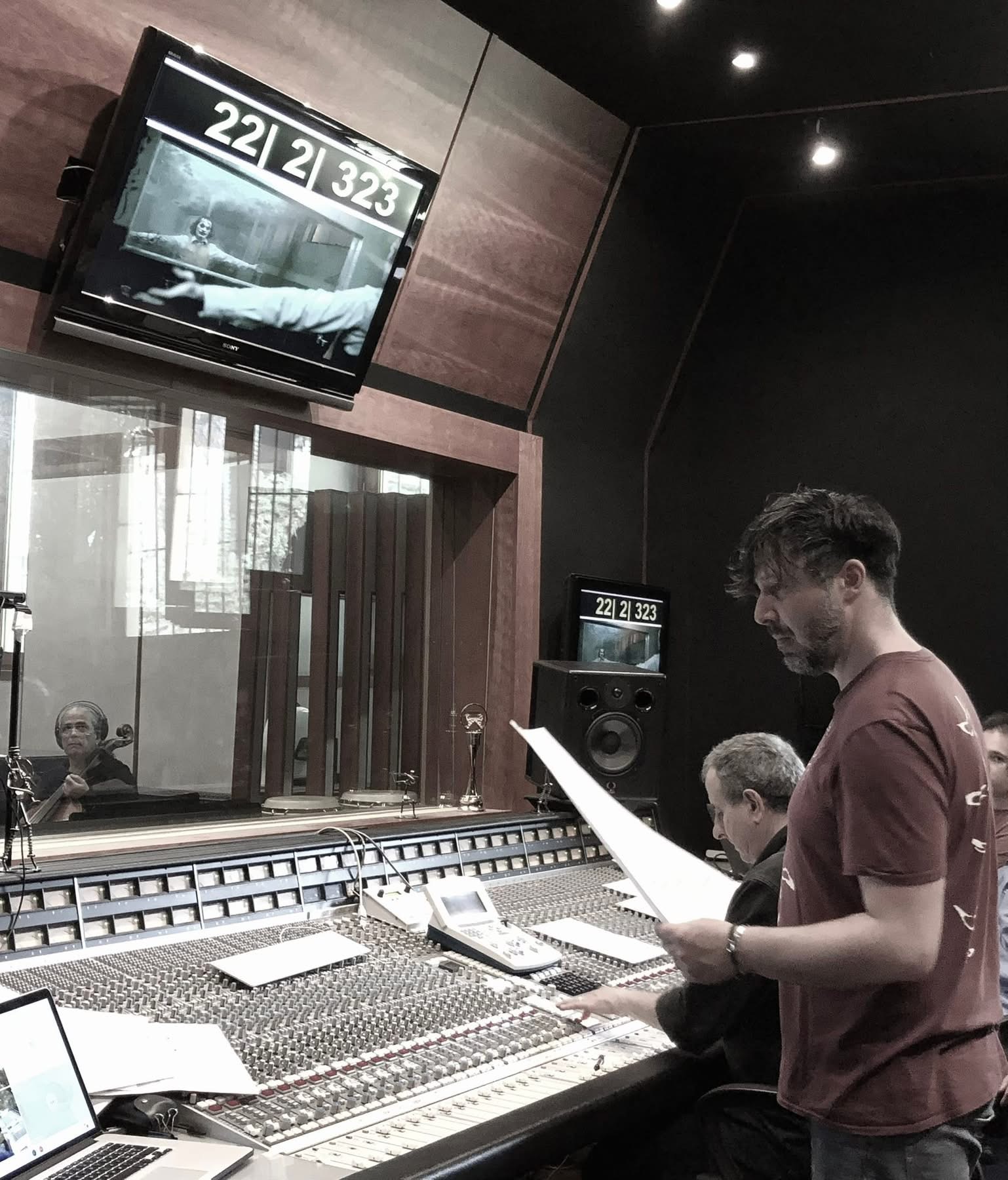

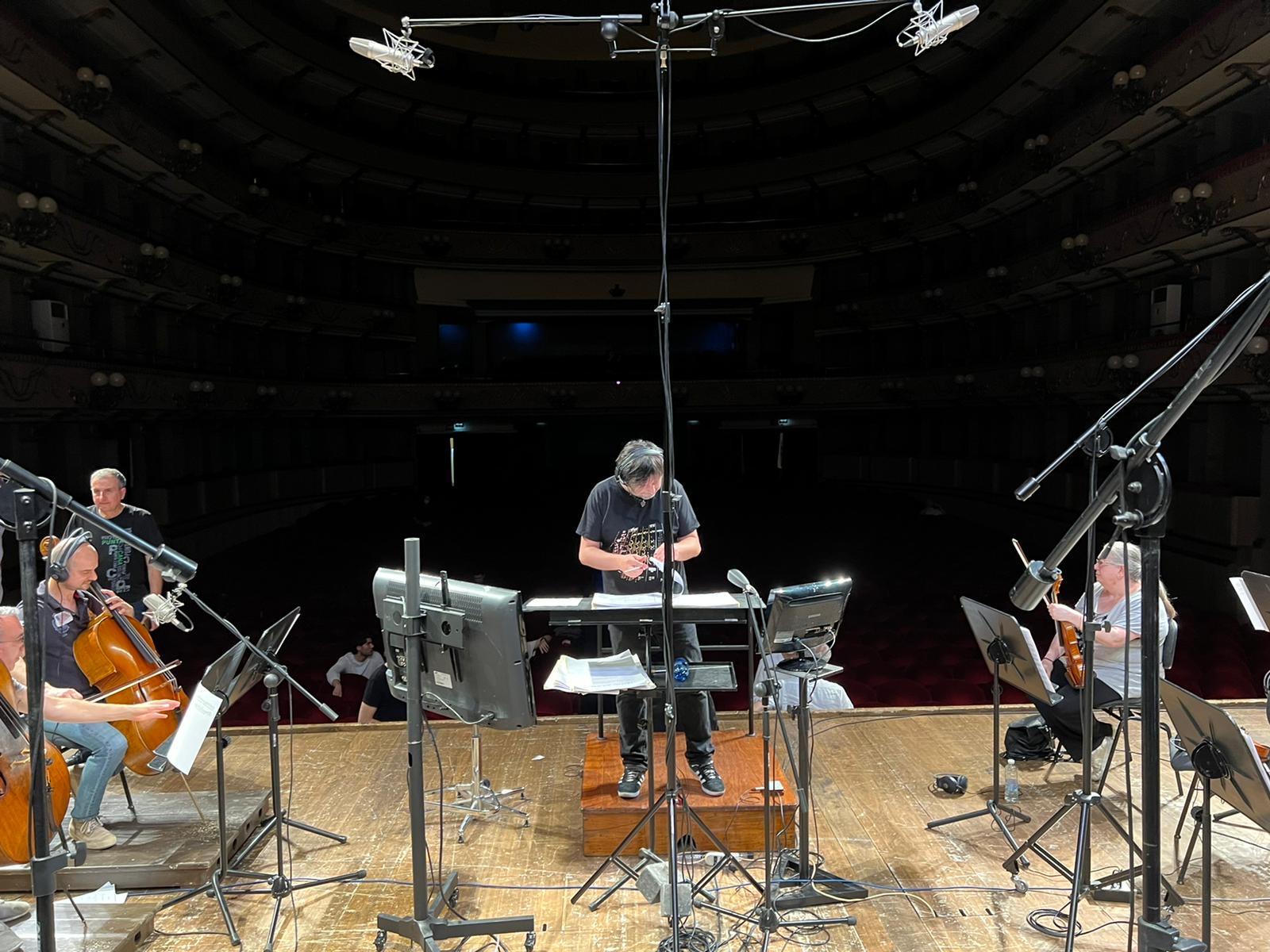
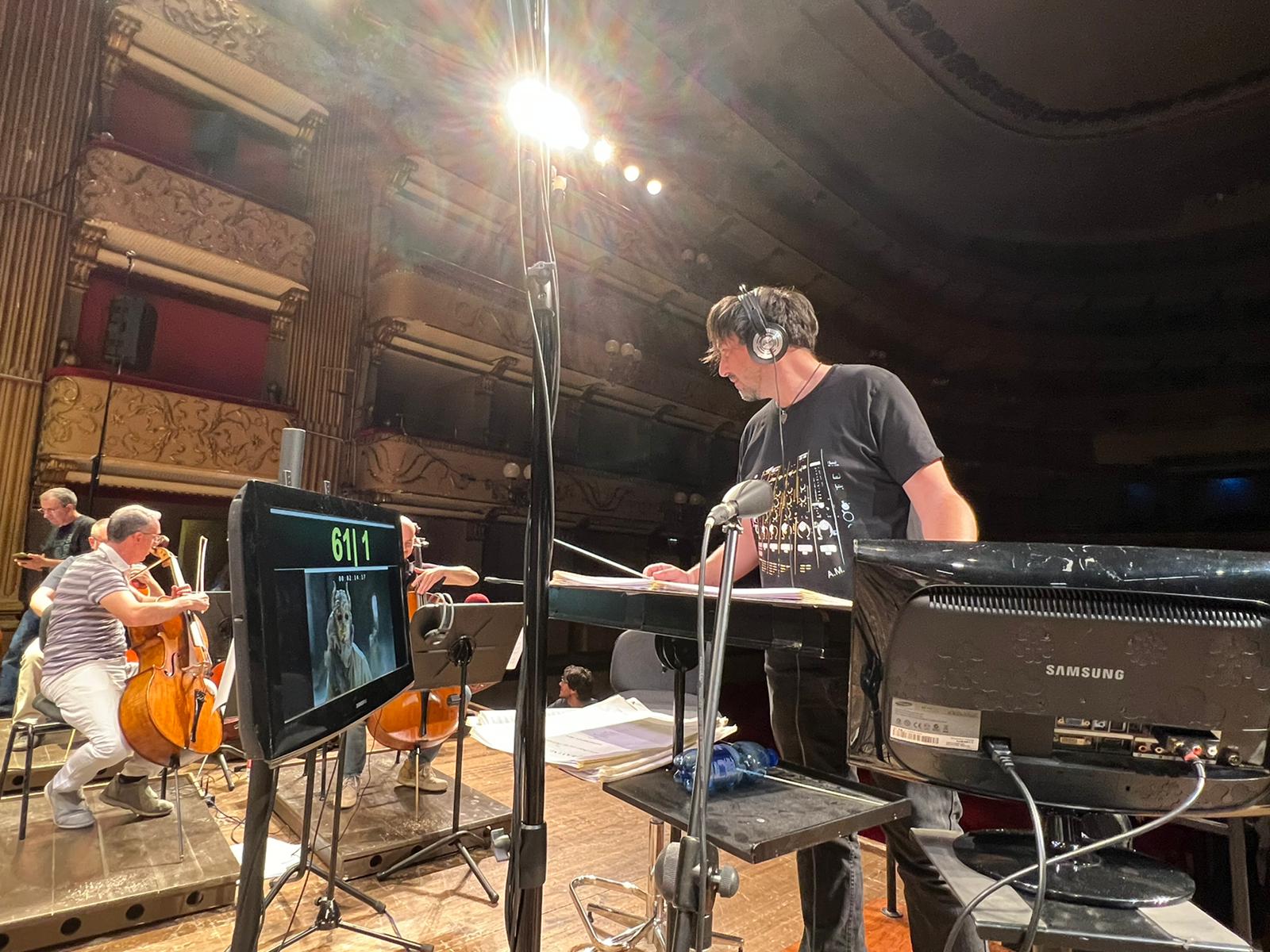
Within this trilogy, are there any pieces that are more directly inspired by real experiences or personal stories?
Yes, several, actually.
The story behind “Awakening”, for example, is deeply personal; the protagonist is, in many ways, myself.
I fell. I died, in a symbolic sense. However, I was fortunate enough to learn, reflect, understand, and eventually be reborn.
During that time, there was someone, a girl named Eleonora, who, in her own way, became the Awakening for me.
She was passionate about artistic gymnastics and competition, her discipline, her fire, her love for movement were her life. But life has a way of overturning our plans.
In those moments, you have two choices: surrender and disappear, or react and accept.
Eleonora chose acceptance. She had a tattoo made on her arm, not just a mark to freeze time, but a symbol of her soul, of who she is and will always be.
That act, that gesture of identity and resilience, inspired me profoundly.
Through her, I understood that acceptance is not resignation; it’s transformation. And this idea, that light can coexist with darkness, became one of the deepest roots of Physis.
The cycle is complete: chaos, aura, physis. It sounds almost alchemical. Do you see this as a process of transformation?
Yes, very much so.
Each symphony represents a stage of purification: Chaos was necessary destruction, Aura was reconciliation, and Physis is rebirth.
It’s a process of inner transmutation, as if music were raw matter slowly turning into awareness.
In the end, The Lantern isn’t about me. It’s about everyone, about those who, in darkness, keep searching for their own spark.
Some might say that this depth, this confrontation with darkness and silence, borders on depression. How do you respond to that?
It’s a fair question, and a necessary one.
But Physis isn’t about defeating or escaping darkness. It’s about acceptance.
The secret is not in overcoming, it’s in embracing.
Acceptance is Physis: to see, to understand, to accept who we are, with our lights and our shadows.
That’s why one of the key pieces is The Whole Spectrum: it speaks of the full range of our being, every frequency, every color, every emotion.
We are not fragments of light or darkness. We are the entire spectrum, complete, imperfect, alive.
What do you hope remains with listeners after hearing Physis?
I hope a vibration remains, a breath.
Not a concept, but a living, personal feeling.
If, even for an instant, someone listening feels something ignite inside, a small lantern, a memory, an authentic emotion, then it will all have meant something.
Because light is not meant to reveal the world; it exists to remind us that we are alive.
Press Release: https://symphony-no-3-physis-d9fnxqn.gamma.site/
Symphonies Official page: https://www.alessiomiraglia.com/symphonies-1-2-3/
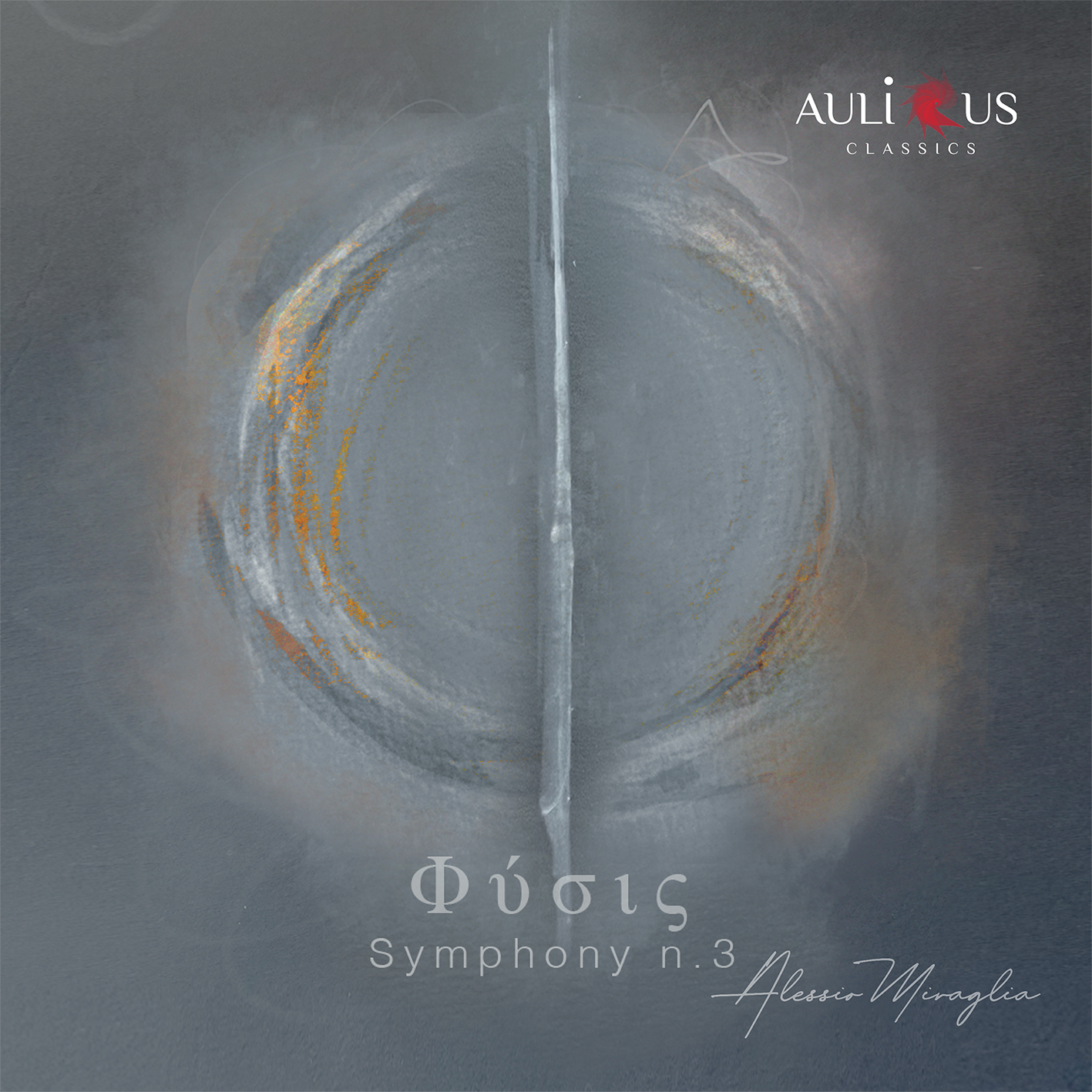
Symphony No. 3: Physis
available everywhere:
Spotify
Apple Music / iTunes
YouTube
Amazon Music
 M.T.V.rock